Understanding the psychology behind casino players' decisions and behaviors
The Motivation Behind Gambling
The motivations of casino players can be complex and multifaceted. For many, the thrill of the game and the potential for financial gain serve as primary attractions. Gamblers often experience a rush of adrenaline, which can lead to an exhilarating sense of excitement. This euphoric feeling can be addictive, driving players to engage more frequently in hopes of replicating that high. Many players explore options such as payid casino australia real money to enhance their gaming experience and capitalize on quick transactions.
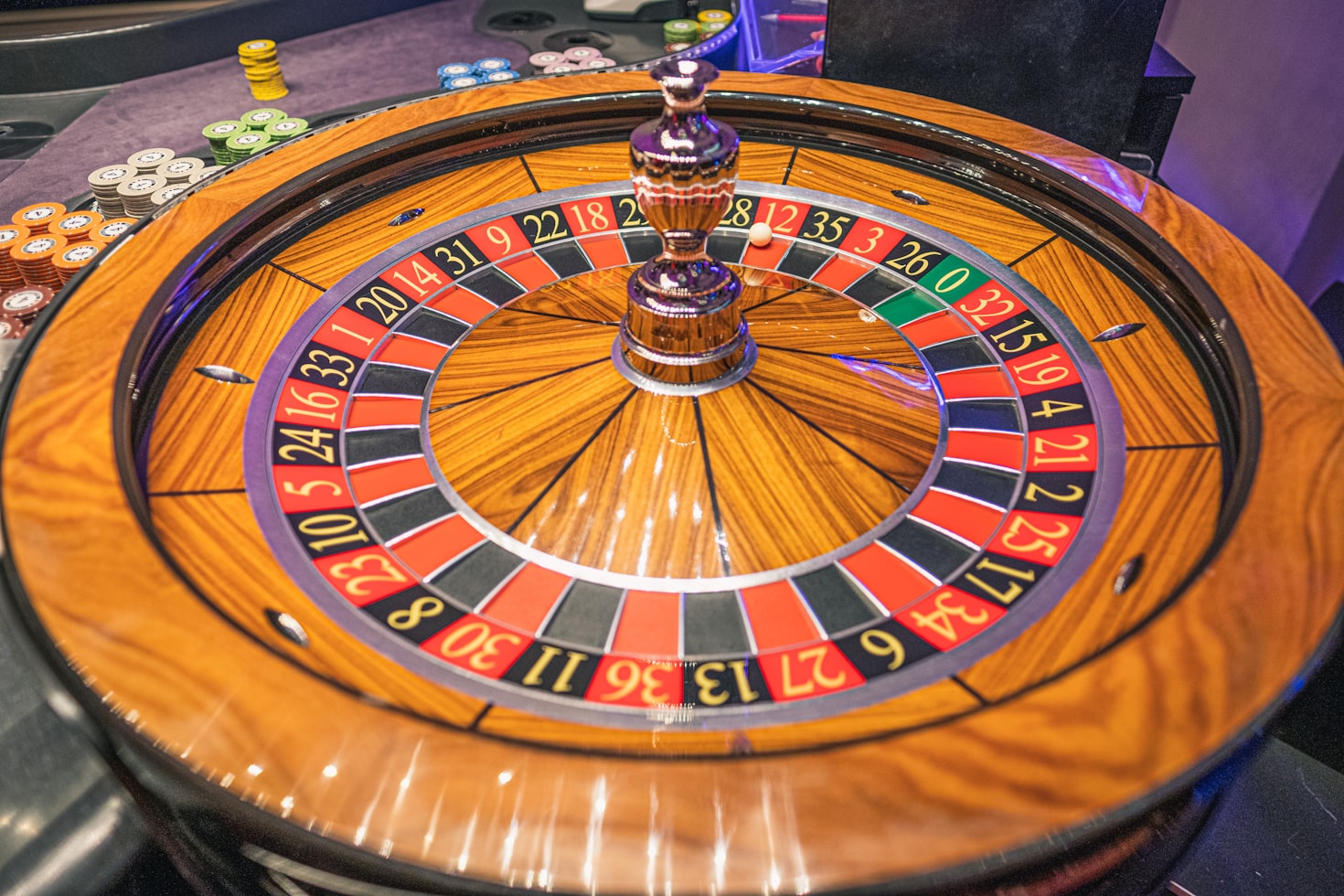
Additionally, social factors play a significant role in gambling behavior. Many players enjoy the social atmosphere of casinos, where they can connect with others who share similar interests. The sense of community can enhance the overall experience, making the act of gambling not just about winning, but also about social interaction and entertainment.
Cognitive Biases in Gambling
Cognitive biases are prevalent among casino players and can heavily influence their decision-making processes. One common bias is the illusion of control, where gamblers believe they have the ability to influence the outcome of games that are purely based on chance. This belief often leads them to make irrational decisions, such as betting larger amounts in the hope of controlling the outcome.
Another significant bias is the gambler’s fallacy, which occurs when players mistakenly believe that past outcomes will influence future results. For example, a player may think that a slot machine is „due” for a win after a series of losses. These cognitive distortions not only affect individual behavior but also contribute to the overall gambling culture within casinos.
The Role of Emotional States
Emotional states profoundly impact gambling behavior. Many players turn to gambling as a means of escaping negative feelings or stress. In such cases, gambling can serve as a coping mechanism, providing temporary relief from real-life challenges. Unfortunately, this can lead to problematic gambling habits if individuals become reliant on gaming to manage their emotions.
Conversely, positive emotions can also enhance gambling experiences. For instance, players in a good mood are more likely to take risks and bet higher amounts. This relationship between emotion and decision-making highlights the importance of understanding psychological well-being in the context of gambling behavior.
The Influence of Environment and Design
The design of casinos significantly impacts player decisions and behaviors. From the layout of machines to the vibrant colors and sounds, every aspect is strategically crafted to create an enticing environment. For example, slot machines often use bright lights and engaging sound effects to draw players in, encouraging them to spend more time and money.
Moreover, the absence of clocks and windows in many casinos creates a disorienting effect, making it difficult for players to track time. This design choice can lead to prolonged gambling sessions, as players become absorbed in the experience and lose sight of their financial limits. Understanding these environmental cues is essential for recognizing how they influence player behavior.
Exploring Further Insights
For those interested in delving deeper into the psychology behind gambling behaviors, there are numerous resources available that analyze these phenomena. Understanding these insights can empower players to make informed decisions and promote responsible gaming practices. Education about cognitive biases and emotional influences is vital in fostering a healthier relationship with gambling.
Additionally, exploring reputable platforms that provide information about responsible gaming can enhance awareness and encourage safer gambling habits. By focusing on both psychological understanding and practical resources, players can navigate the complex world of casinos with more confidence and awareness.
